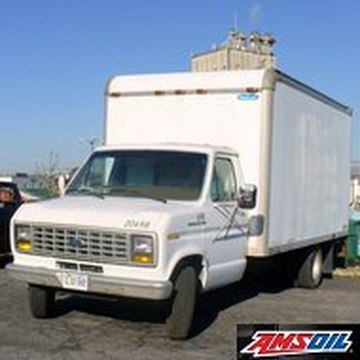
Engine Lubrication and Maintenance for the 1982 Ford Trucks E350 VAN 4.9L
Maintaining a vehicle like the 1982 Ford Trucks E350 VAN requires a disciplined approach to routine service, particularly regarding the lubrication of the 4.9L engine. As these vehicles age, the consistency of maintenance becomes the primary factor in determining how well the mechanical components continue to operate. Proper care involves more than just periodic fluid changes; it requires a comprehensive understanding of what to look for during inspections and how to respond to the various signs of wear that naturally occur over decades of use.
Monitoring Fluid Integrity and Potential Leaks
One of the most effective ways to monitor the health of the 4.9L engine is through regular visual inspections of the engine bay and the ground beneath the vehicle. Because this era of Ford Trucks utilizes various seals and gaskets to contain fluids, it is important to look for any evidence of seepage or active leaks. When performing a routine check, observe the areas around the engine block and the underside of the chassis.
If you notice wetness or dark staining on engine components, this may indicate that a seal or gasket is beginning to lose its effectiveness. Similarly, spotting fluid on your driveway or garage floor can be an early indicator of a leak that warrants investigation. It is helpful to distinguish between different types of fluids; for example, oil will have a distinct viscosity and feel compared to coolant or transmission fluid. Addressing minor seepage early can prevent more significant issues from developing later.
During these inspections, also check the condition of any visible hoses or electrical connections. While not directly related to oil lubrication, the overall cleanliness and integrity of the engine compartment provide a better context for understanding how well the vehicle has been maintained. A clean engine makes it much easier to spot new leaks or changes in fluid appearance that might otherwise be hidden by accumulated grime.
Observing Changes in Engine Performance and Appearance
Beyond visual inspections of the exterior components, an owner should remain attentive to how the engine behaves during operation. Changes in the way the vehicle runs can often be linked to the condition of the lubrication system. If you notice unusual mechanical noises that were not previously present, this warrants a closer look at your maintenance records and current fluid levels.
Changes in exhaust characteristics can also serve as a signal for further inspection. For instance, certain types of smoke may indicate that oil is entering the combustion process, which could be associated with various internal seal conditions. It is important to remember that symptoms like unusual odors or changes in engine sound can have multiple causes; therefore, they should be treated as prompts for professional diagnosis rather than definitive proof of a specific part failure.
Additionally, keep an eye on any dashboard indicators. If a warning light appears, it requires immediate attention. Monitoring the consistency of engine operation—such as how easily the vehicle starts or how smoothly it idles—can help you establish a baseline for what is normal for your specific 1982 Ford Trucks E350 VAN. Any deviation from this established baseline should be documented and investigated.
Prioritizing Long-Term Maintenance Decisions
For owners of an older vehicle, the strategy for maintenance often shifts from simple part replacement to a more holistic approach based on current condition. Rather than following a rigid schedule based solely on the age of the vehicle, it is more effective to prioritize tasks based on what the engine actually requires. This means using your service history as a guide to determine which components are due for attention.
If you have recently acquired this vehicle and do not have access to comprehensive service records, your first priority should be establishing a maintenance baseline. This involves performing a thorough inspection of all fluids, filters, and belts (if equipped) to understand the current state of the engine. Once you know the condition of these items, you can create a personalized maintenance plan that addresses active needs first—such as addressing an existing leak or replacing a worn belt—before moving on to preventive measures.
Keeping detailed records of every oil change, filter replacement, and repair is one of the most valuable things an owner can do. These records allow you to track patterns, such as how quickly certain fluids are consumed or how often specific components require service. This data-driven approach helps in distinguishing between necessary repairs and unnecessary maintenance, ensuring that your efforts are focused where they will provide the most benefit to the longevity of the 4.9L engine.
Managing Aging Components and Materials
As a vehicle from 1982 continues to operate, the materials used in its construction—such as rubber, plastic, and various gasket compounds—will naturally undergo changes due to heat cycles and time. When inspecting the engine, pay close attention to any components that appear brittle or cracked. If equipped, accessible drive belts should be checked for signs of glazing, fraying, or surface deterioration.
Hoses are another critical area to monitor. Even if they do not show obvious signs of failure, hoses can become stiff or lose their flexibility over time, which may eventually lead to leaks or unexpected failures. A proactive approach involves feeling the texture and checking the integrity of these components during every routine service. If a hose feels excessively hard or shows signs of bulging, it is an indication that it should be evaluated for replacement.
Furthermore, electrical connections and wiring harnesses should be inspected for any signs of corrosion or insulation breakdown. While this is separate from engine oil maintenance, the overall reliability of the vehicle's systems is interconnected. A well-maintained engine relies on stable electrical signals for proper operation, so ensuring that connectors are clean and secure is a vital part of comprehensive ownership.
Effective Strategies for Engine Care
The goal of all these inspection and maintenance activities is to ensure that the internal components of the 4.9L engine remain protected from unnecessary wear. Consistent monitoring allows you to catch small issues before they escalate into major mechanical failures. By combining regular fluid checks with a careful observation of how the vehicle operates, you can maintain a high level of confidence in your E350 VAN's performance.
Always approach maintenance with the understanding that every vehicle is unique. The condition of an engine is heavily influenced by its previous service history and how it has been operated in the past. By focusing on the actual, observable condition of your specific vehicle rather than making assumptions based on its age, you can make more informed decisions about when to perform service and what components require the most attention.
Practical Guidance for Buying Engine Oil for the 1982 Ford Trucks E350 VAN 4.9L
When it is time to replenish your engine's lubrication, it is essential to select a product that aligns with the specific requirements of your application. To ensure you are using the correct lubricant, match the engine oil to the application-specific viscosity information already displayed on this webpage.
As you browse available products, consider the following practical steps:
- Verify the Label: Always check the product packaging to confirm that the SAE viscosity matches the information provided for your 4.9L engine.
- Consider Formulations: Depending on your specific needs and the current condition of your engine, you may choose between conventional oil, synthetic blends, or full synthetic options. Some high-mileage oil formulations contain additives intended for use in aging engines, including seal-conditioning additives that may be beneficial for older seals.
- Check Certifications: Ensure the oil meets the appropriate API service classifications to provide the necessary level of protection and deposit control.
- Avoid Assumptions: Do not select an oil based solely on the age of the vehicle or general automotive trends; always defer to the specific application data provided here for your 1982 Ford Trucks E350 VAN.